
Blog
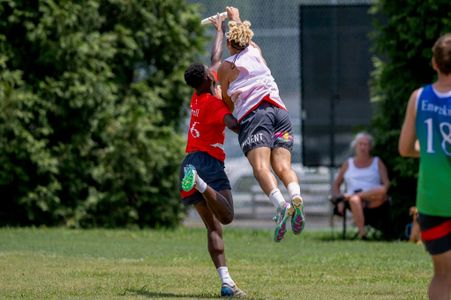
Sports Massage for Ultimate Frisbee and Disc Golf Players
Denise Leslie and Austin Hegmon
Sports massage for Ultimate Frisbee players involves trained therapists who plan around the player's season stage, recent play, and injury history. Austin Hegmon, LMT, a national frisbee player, and I treat both disc golf and Ultimate Frisbee players at Medical & Sports Massage in Sandy Springs, GA.
The most commonly overused muscles affected are the hamstrings, adductors (inner thigh/groin), and rotator cuff. We often see frozen shoulder. Comprehensive sports massage sessions may include myofascial stretching, Graston techniques, cupping, and neuromuscular therapy on tight or overactive muscles. A 2018 meta-analysis found that massage appeared to be the most effective post-exercise recovery method for soreness and fatigue. Our goal is to get players ready to perform at their highest level before and after games.
more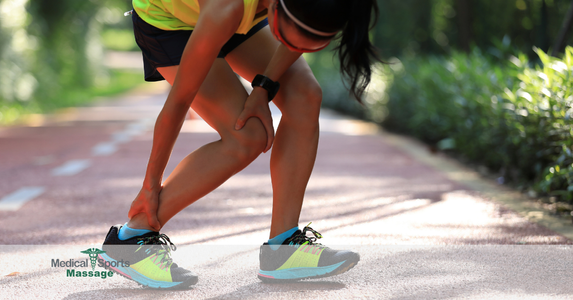
Sore or Injured? How to Tell the Difference as Fall Running Season Starts
Denise Leslie
Normal post-run soreness is a burning or aching feeling in the muscles you just worked, along with general tightness that shows up 24 to 48 hours after a run and settles within a day or two. That soreness comes from microtears in the muscle as it rebuilds, and it typically eases once you get moving through your day.
Running pain that needs attention looks different: sharp or unbearable pain, soreness that is present even at rest, or pain that shows up at the start and end of a run and gets worse with exercise or stretching. Medical & Sports Massage treats that distinction as the starting point for any conversation with a runner, since pushing through real pain can turn a small issue into a larger one.
more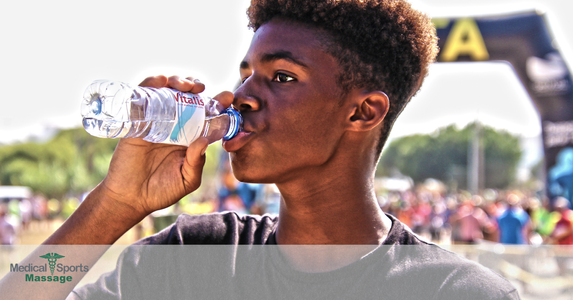
How Hydration Affects Muscle Recovery and Performance
Denise Leslie
Hydration supports muscle function, steady energy, and faster recovery. When you fall behind on water, muscles cramp more, energy dips, sleep gets choppy, and joints feel stiffer. In our Sandy Springs treatment room, hydration is one of the first things we check when an active patient reports cramping, fatigue, or waking through the night.
People can become dehydrated before they realize they need more water. In Georgia’s summer heat, you lose water faster through sweat, and it can be hard to keep up when you are busy. Drinking more water can help you feel better fairly quickly.
Key Takeaways
Even mild dehydration can reduce muscle function, lower energy, and increase the likelihood of cramping during activity.
You may notice poor sleep, sluggish digestion, or daytime fatigue before you realize you are dehydrated.
A daily target of 64 ounces of water works for many adults, though needs rise with heat, body size, and activity.
Electrolytes help during hard training and competition. For everyday workouts, plain water is usually adequate.
Rehydrating tends to produce quick, noticeable results: more energy, more regular digestion, and better daily function.
more
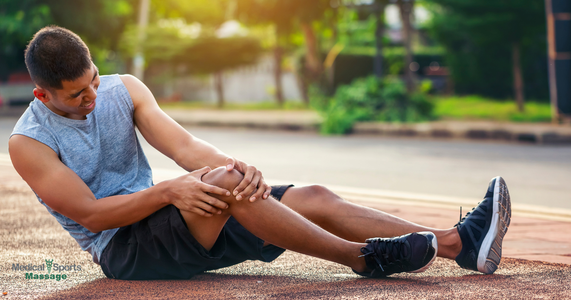
IT Band Pain in Runners: Why the Outside of the Knee Can Hurt During Training
Denise Leslie
If the outside of your knee starts hurting at the same point in every run, especially after a few miles, on hills, or when your mileage increases, iliotibial (IT) band irritation may be the cause. IT band pain in runners usually causes a sharp or nagging ache on the outside of the knee during repeated motion, especially when training load increases faster than the body can adapt.
The iliotibial band runs along the outside of the thigh, from the hip to just below the knee. When the tissue near the outside of the knee becomes irritated, runners may also feel tightness along the side of the leg or a popping sensation near the joint.
At Medical & Sports Massage in Sandy Springs, I have treated IT band pain in runners for more than 12 years.
more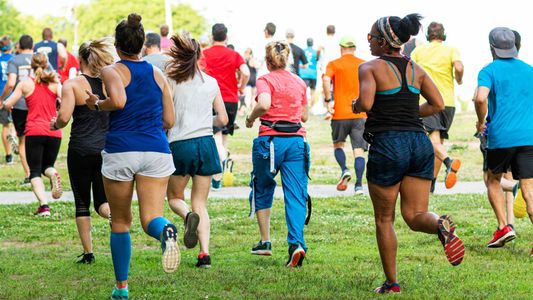
Sports Massage for Peachtree Road Race and Marathon Training
If you are training for the Peachtree Road Race, a marathon, or another distance race, sports massage may help you manage the tight muscles, soreness, and movement restrictions that build during training. It is not a replacement for medical care, physical therapy, hydration, strength work, or smart programming. It can be part of a recovery plan when your calves, hamstrings, hips, glutes, low back, or IT band start feeling tight from repeated miles.
The runners who come to our facility in Sandy Springs are usually not injured. They are logging miles, feeling a familiar tightness creep into the same spots, and trying to keep training without that tightness turning into something that changes how they run. That is the work this article is about.
more
Massage After Cardiac Surgery
Denise Leslie
Recovering from cardiac surgery can take time, patience, and support. Along with medical follow-up and rehabilitation, some people explore massage as a way to manage discomfort, muscle tension, and anxiety during recovery.
Massage is not a treatment for heart disease or surgical healing, but research suggests it may play a supportive role when used thoughtfully and at the right time. This article explains what the research shows, what it does not claim, and how massage is typically approached safely after cardiac surgery.
more
Safety First: Massage When You Have a Heart Condition
Denise Leslie
Massage is often safe for people with heart conditions when sessions are adapted to the individual and guided by a medical professional. It is considered supportive care rather than treatment for heart disease. Safety depends on diagnosis, medications, recovery status, and the manner in which the session is delivered.
This article explains when massage is generally appropriate, when extra precautions are needed, and when medical clearance matters, so you can make an informed decision with confidence.
more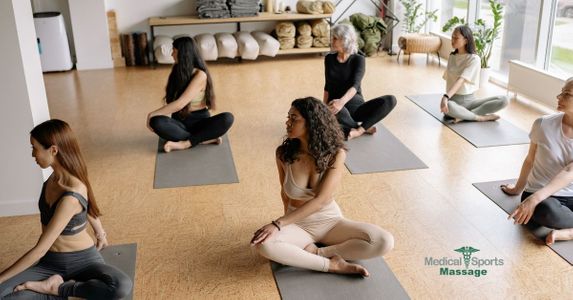
How Yoga and Massage Work Together to Relieve Pain
Denise Leslie
Most people who come to see me because of pain have been dealing with it for months or even years. Many of them are not talking about it openly. They are working, caring for family, and pushing through discomfort that has quietly become part of daily life. This is far more common than people realize, and many of the people I see are seeking medical massage for pain that t has slowly settled into their everyday routines.
By the time someone reaches my office, they have often tried several ways to feel better. They may experience relief, sometimes meaningful relief, but after a period of time, the pain slowly returns. That usually means recovery is still in progress.
Lasting pain relief usually requires more than one approach, which is why I often combine medical massage with yoga and guided movement to support recovery over time.
more
Why Winter Affects Your Energy Mood and Body More Than Other Seasons
Denise Leslie
Winter has a way of taking more out of us than we expect.
On paper, life may look fine. Work is great. Family is around. The holidays are here. But inside, you feel off. More tired. More irritable. Less patient. Sleeping more but never feeling rested.
You are not alone. And you are not imagining it.
At Medical and Sports Massage, we see this every year. Winter impacts the nervous system, energy levels, and emotional balance in very real, physical ways. Understanding what is happening is the first step toward feeling better.
more
Helping Kids with Scoliosis Feel Better
Denise Leslie
This article explains how therapeutic medical massage helps kids with scoliosis feel better by easing muscle tightness, reducing uneven strain and improving daily comfort during school, sports and growth phases. It shows parents what relief looks like and how targeted care supports better movement over time.
more