
Sports Massage for HYROX and CrossFit Athletes
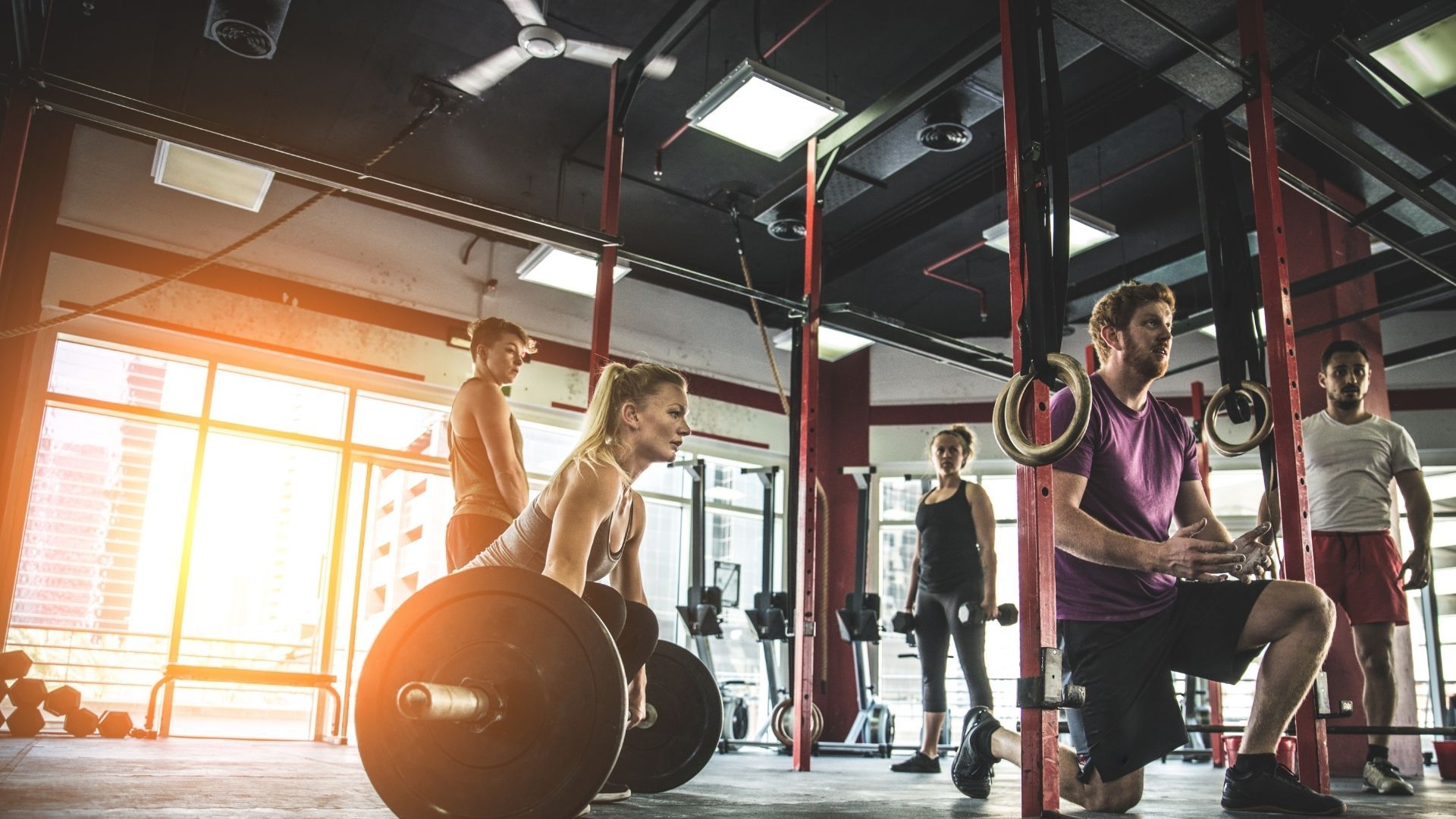
Sports massage is targeted soft tissue work for active adults who train at high intensity. For HYROX, CrossFit, Burn Boot Camp, and F45 athletes, it focuses on the muscles those workouts load most heavily, including the hips, shoulders, calves, grip, and lower back.
Our work may help reduce muscle soreness, ease tight muscles, and support range of motion, so you train with less disruption between sessions. Research links massage to reduced soreness and short-term gains in flexibility, with weaker evidence for direct performance gains, so a careful provider frames it as recovery rather than a way to get faster. At Medical & Sports Massage in Sandy Springs, each session is assessed and tailored to your training, making it more specific than a relaxation massage and more individualized than a standard deep tissue session.
Key Takeaways for HYROX, CrossFit, and Functional Fitness Athletes
What it helps with: may reduce muscle soreness, ease tight muscles, and support range of motion after high-intensity training.
What it will not do: it does not improve performance, prevent injury, or make you faster, and honest providers do not claim that.
Who it is for: active adults doing HYROX, CrossFit, Burn Boot Camp, F45, or similar training, whether or not they compete.
Best timing: deeper work fits a rest day or before an easier session; lighter work suits the days before an event.
How often: many athletes book every two to four weeks during heavy training, or around specific soreness and events.
What makes it different: the work is assessed and matched to your training, not a fixed full-body routine.
Who you work with:
Medical & Sports Massage is owned by Denise Leslie, a licensed massage therapist who has practiced in Sandy Springs for more than 12 years, with clinical work in medical massage, sports massage, lymphatic drainage, cupping, and Graston technique. Athletes recovering from training strain may also work with other licensed massage therapists, such as Ashli Davis, LMT, whose background includes sports injury recovery, neuromuscular therapy, and deep tissue work. Meet the team.
Sports Massage vs a Relaxation Massage
Both a sports massage and a relaxation massage have value; however, they are built for different goals. Sports massage targets the specific muscles stressed by training, while a relaxation massage aims at overall calm.
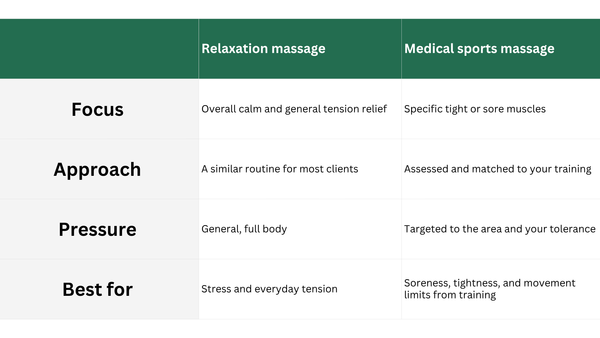
Sports Massage vs a Relaxation Massage
Both medical and relaxation massages have value. However, they are built for different goals. Sports massage targets the specific muscles stressed by training, while a relaxation massage aims at overall calm. Below is a chart that explains the differences.
What Sports Massage Does for HYROX and CrossFit Athletes
It works on soreness, tight muscles, and limited range of motion so you can keep training without long interruptions. It is one part of recovery, alongside sleep, food, and rest days. It does not replace those, nor does it make you faster.
Research supports massage for lower muscle soreness and short-term flexibility, with weaker evidence for direct performance gains, so we keep the page to that. CrossFit makes the same point in its coaching material: recovery is part of the program. When sore, tight areas get attention, you are more likely to move well in your next session and less likely to compensate around a stiff hip or a locked-up shoulder. Address your specific needs. Regular communication and feedback are crucial to ensuring a successful outcome.
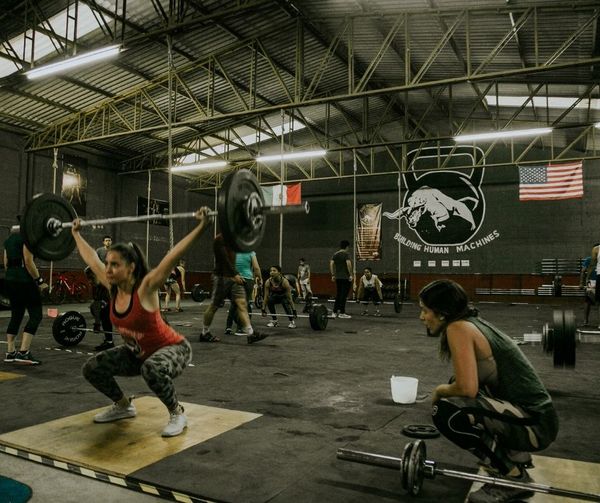
These formats stress the hips, shoulders, calves, grip, and low back the hardest because they are high in volume and mix strength with conditioning.
HYROX pairs running intervals with stations like sled work, rowing, carries, lunges, and wall balls. CrossFit cycles through weightlifting, gymnastics, and conditioning. Burn Boot Camp runs camp-style strength and cardio circuits. F45 designs 45-minute interval workouts that alternate between resistance and cardio.
The common thread is repeated near-maximal effort with short rest, leaving the working muscles tight and sore between sessions. F45 treats recovery as part of its programming, which aligns with what we see: the people training the hardest usually need a recovery plan the most.
Parts of the body most often affected by high-intensity training:
Hips and glutes from squatting, lunging, and sled work
Shoulders from pressing, pull-ups, and wall balls
Calves and feet from running intervals
Forearms and grip from carries and barbell work
Low back from heavy, repeated loading
Not sure whether massage fits what you are dealing with? Call [phone] for a quick conversation, or book a session.
Does Sports Massage Help With Muscle Soreness?
It may. Massage can reduce soreness after hard training and ease tight muscles that limit movement, though it works best as part of recovery rather than a fix on its own.
Delayed-onset muscle soreness is the stiffness and tenderness that show up a day or two after hard training. It usually peaks around 24 to 72 hours and eases with light activity (Cleveland Clinic). Massage may lower how sore you feel during that window, which is why many athletes book a session in the days after a heavy block.
Tight muscles and restricted movement are the other two reasons people come in. When the hips, calves, or shoulders stay short and tense, your positions suffer, and the next workout feels harder than it should. Targeted soft-tissue work, trigger-point work, cupping, and Graston can address those specific areas. For pain or a recurring pattern, our medical massage and neuromuscular therapy pages cover more clinical work.
Not sure whether massage fits what you are dealing with? Call for a quick conversation, or book a first session here.
Coordinating Your Sports Massage with Your Training Schedule
The best time to get a massage depends on your training cycle. As a general guide, deeper work fits best on a rest day or before an easier training day, since muscles can feel tender afterward.
Around a competition, lighter work several days out is usually better tolerated than deep pressure the day before. After an event, recovery-focused work may help with soreness and tightness. The wider principle is simple and aligns with standard recovery advice: avoid stacking hard training on muscles that are already sore (CrossFit on rest and recovery). We talk through your schedule and match the session to it.
What Happens During a Sports Massage
Each visit follows the same process: a short assessment, targeted hands-on work, and aftercare guidance.
Short assessment. We ask what you've been training, what feels tight or sore, and how your recent weeks have gone.
Targeted work. Depending on what we find, that may include deep tissue, trigger point work, neuromuscular therapy, cupping, or Graston on specific muscles, with the goal set with you.
Aftercare. We give simple guidance on activity, hydration, and when to train next, so the session fits the rest of your week.
FAQ
- Can massage help prevent injury?
- Massage may support recovery, range of motion, and body awareness, which some athletes find helpful. It does not prevent injury on its own, and we do not claim that. Training load, mobility work, sleep, and rest matter more for staying healthy.
- Is medical sports massage only for competitive athletes?
- No. Most clients are active adults who train hard without competing. If you do HYROX, CrossFit, Burn Boot Camp, F45, or similar workouts and deal with soreness, tightness, or stiff movement, the same targeted approach applies.
- Can sports massage help after HYROX, CrossFit, Burn Boot Camp, or F45?
- Yes. After high-intensity sessions, sports massage may help reduce delayed-onset muscle soreness and support range of motion in the areas most loaded by these workouts, including the hips, shoulders, calves, and low back. It works alongside rest, sleep, and proper fueling rather than replacing them.
- Should I get a massage before or after a competition?
- It depends on timing. Lighter work several days before an event is generally better tolerated than deep pressure the day before, which can leave muscles sore. Recovery-focused work after an event may help with soreness and tightness. We match pressure and technique to where you are in your cycle.
- Is Deep Tissue Always Best for Athletes?
- No. Deeper pressure is not automatically better. Heavy, full-body deep tissue can leave you sore for a day or two, which is the opposite of what you want before a hard session or a race. For athletes, the more useful approach is usually targeted pressure on the specific muscles that are tight or restricted, at a depth your body can absorb. Deep tissue has a clear place when applied with intent, rather than as aggressive pressure everywhere. Our deep tissue massage article explains the difference, which is why we assess before deciding how deep to go. Sometimes the right call is firm, precise work on two or three areas. Sometimes lighter, recovery-focused work serves the week better.
Insurance Reimbursement, And HSA, Flex Care Spending Is Accepted In Our Practice- NO Need For A RX
Our Partners Are:




Related Blogs
Transformative Powers of Massage Therapy in Heart Health
Denise Leslie
Massage therapy can support better heart health by lowering tension improving circulation and helping the body recover from stress. This blog explains how targeted work influences blood flow breathing patterns and overall relaxation and highlights simple habits you can pair with massage to feel more balanced throughout the year.
more
Five Recovery Stages Supported by Massage Therapy
Denise Leslie
Massage therapy supports every phase of injury recovery from easing pain and inflammation to restoring mobility rebuilding strength and helping you avoid future setbacks. This blog explains the five recovery stages how massage fits into each stage and when working with a certified massage therapist can help you get better results.
more