
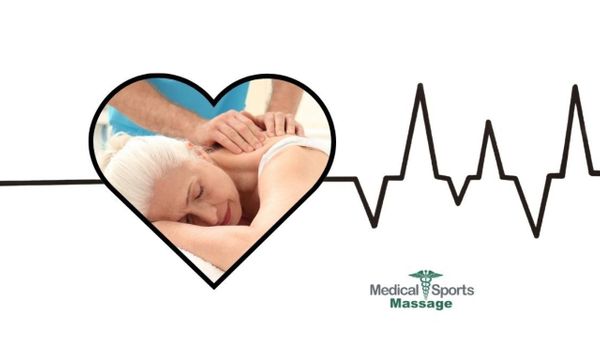
Massage After Cardiac Surgery.jpg

Massage After Cardiac Surgery

Recovering from cardiac surgery can take time, patience, and support. Along with medical follow-up and rehabilitation, some people explore massage as a way to manage discomfort, muscle tension, and anxiety during recovery.

Massage is not a treatment for heart disease or surgical healing, but research suggests it may play a supportive role when used thoughtfully and at the right time. This article explains what the research shows, what it does not claim, and how massage is typically approached safely after cardiac surgery.

What the research shows about massage after cardiac surgery

Clinical studies on massage following cardiac surgery focus on comfort and emotional well-being rather than cardiovascular outcomes.

A randomized controlled trial published in the Journal of Thoracic and Cardiovascular Surgery evaluated 152 patients recovering from cardiac surgery. Compared with rest alone, patients who received massage reported greater reductions in pain, along with improvements in anxiety, muscular tension, relaxation, and overall satisfaction with care.

A systematic review and meta-analysis of randomized controlled trials published in ScienceDirect reached similar conclusions. Across multiple studies, massage therapy was associated with reduced pain and anxiety following cardiac surgery, supporting its role as a comfort-focused, adjunct approach during recovery.

What massage supported in these studies

The observed benefits were symptom-based rather than curative. Research consistently points to massage supporting:

  • post-surgical pain relief

  • reduced anxiety

  • decreased muscular tension

  • improved relaxation

  • Higher patient satisfaction

These outcomes are important during recovery, particularly when stress and discomfort can impede progress or impair quality of life.

What the research does not claim

The studies do not suggest that massage:

  • speeds cardiac or surgical healing

  • improves heart function

  • replaces rehabilitation or physical therapy

  • substitutes for medical care or follow-up

Understanding these boundaries helps set realistic expectations and keeps massage in its proper role.

When massage is typically considered after cardiac surgery

Massage is not immediate post-operative care. In most cases, it is considered only after clearance from the treating surgeon or cardiology team.

Timing depends on:

  • the type of surgery performed

  • recovery progress

  • presence of complications

  • current medications and symptoms

Once clearance is given, massage is approached conservatively and adjusted to the individual’s tolerance and recovery stage.

How massage is approached safely during recovery

Safety comes from pacing, communication, and respect for the healing process. After cardiac surgery, massage sessions typically involve:

  • gentle, non-straining techniques

  • shorter session durations

  • careful positioning to support comfortable breathing

  • avoidance of surgical sites and sensitive areas

  • frequent check-ins to assess comfort

Pressure is always adjustable. Discomfort is not part of the goal.

For broader context on massage and cardiovascular considerations, see our heart health overview here.

If you are interested in safety questions across different heart-related conditions, our dedicated guide on massage safety with heart conditions expands on clearance, precautions, and what to discuss with your care team.

Early recovery versus later recovery: how your massage session may differ

Recovery stage Typical focus Common precautions
Early, once cleared Comfort, relaxation, anxiety reduction Very gentle pressure, short sessions, careful positioning
Later recovery Muscle tension, stress support, general comfort Gradual adjustments, continued avoidance of surgical areas

Progress is guided by the body's response, not by a fixed timeline.

Frequently asked questions

Is massage safe after open-heart surgery?
Massage may be appropriate after medical clearance. When used, it focuses on comfort and relaxation rather than deep or corrective techniques.
How soon after surgery can massage be considered?
Timing varies. Clearance should be obtained from the treating medical team and depends on the type of surgery and the patient's recovery progress.
Should deep tissue massage be avoided?
Deep or aggressive techniques are typically avoided during post-surgical recovery. Gentle approaches are used instead.

Closing Thoughts

Recovery after cardiac surgery looks different for everyone. When massage is administered at the appropriate time and guided by medical clearance, it can provide meaningful support for comfort, tension, and anxiety during the healing process. The key is working with practitioners who understand post-surgical recovery, communicate clearly, and respect the role of your broader care team.

If you are exploring medical and sports massage in Sandy Springs, including massage for inflammation related to post-surgical recovery, look for licensed therapists who take health history seriously, adjust sessions thoughtfully, and coordinate care when medical conditions are involved. Massage should support recovery and comfort, not push the body before it’s ready.

  • denise-leslie-medical-and-sports-massage.png

About The Author

Denise Leslie is a powerhouse mother, entrepreneur, and advocate for pain-free living. With a passion for healing and promoting health and wellness, As a dedicated therapist, Denise is committed to empowering others on their journey to optimal well-being. She understands the importance of community support and never stops serving those around her.