
Guided_Yoga.jpg

How Yoga and Massage Work Together to Relieve Pain

Most people who come to see me because of pain have been dealing with it for months or even years. Many of them are not talking about it openly. They are working, caring for family, and pushing through discomfort that has quietly become part of daily life. This is far more common than people realize, and many of the people I see are seeking medical massage for pain that t has slowly settled into their everyday routines.

By the time someone reaches my office, they have often tried several ways to feel better. They may experience relief, sometimes meaningful relief, but after a period of time, the pain slowly returns. That usually means recovery is still in progress.

Lasting pain relief usually requires more than one approach, which is why I often combine medical massage with yoga and guided movement to support recovery over time.

Why Pain Often Lasts Longer Than Expected

Long-term pain rarely has a single cause. When someone tells me they have been in pain for years, my first goal is to understand where that pain started and what has been reinforcing it over time.

That process may include orthopedic-style assessments to help rule things in or out. We also partner with local orthopedic providers, including Resurgens Orthopaedics of Sandy Springs, Ga, so clients can receive a clear diagnosis when imaging or further evaluation is needed. Many clients are referred to us through these ongoing relationships after they have been evaluated or treated by physical therapists, chiropractors, or orthopedic surgeons.

Long-term pain often reflects a combination of tissue restriction, repetitive movement, posture, stress, and recovery habits that have been repeating for years. When those patterns are addressed together, progress becomes more sustainable.

For many people, recovery isn’t linear. In our blog on Five Recovery Stages Supported by Massage Therapy, I explain how pain gets better through phases of care.

How Medical Massage Supports Pain Relief Over Time

Massage supports pain relief by working directly with the soft tissues that influence movement and stability. Skilled hands-on care from a licensed medical massage therapist (internal link) helps improve circulation, reduce tissue congestion, and restore mobility where movement has become limited.

When soft tissues receive oxygen and blood flow, the body often responds quickly. Movement feels easier. Tension decreases. This is why people often notice relief after a session.

The role of massage in long-term care is to support the body's day-to-day functioning, not just how it feels in the moment.

What Medical Massage Looks Like in Long-Term Pain Care

Medical massage is guided by assessment and intent. Each session is informed by how the body is moving, where restriction is present, and what needs support for recovery to continue.

In long-term pain cases, the goal is to help tissues adapt so they can better handle daily loads, work demands, and physical activity. This includes supporting alignment, stability, and tissue resilience to reduce the risk of recurring flare-ups.

This approach works especially well alongside physical therapy and medical care, where massage helps support carryover between visits and after discharge.

Why Consistency Matters in Massage for Pain Relief

Soft tissue responds to repeated, intentional care. Tendons, ligaments, and fascia change gradually, which is why consistency matters.

This is why I use treatment plans instead of isolated sessions. Consistent care allows tissues time to respond, adapt, and stabilize. Over time, the body becomes better equipped to maintain its own progress.

Consistency does not mean ongoing care forever. It means working through a therapeutic plan with a clear goal, then transitioning into maintenance or periodic check-ins as needed.

How Yoga Supports Pain Relief Between Massage Sessions

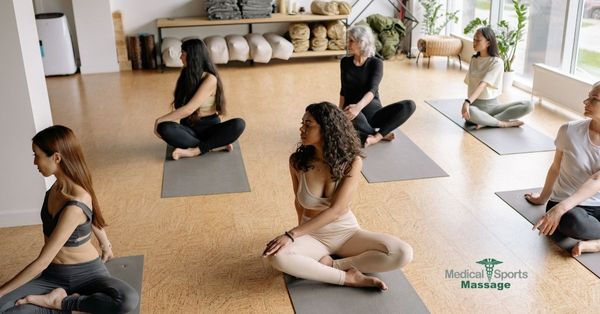
Yoga supports the work done on the table by helping clients maintain progress through movement. When yoga is taught with pain patterns in mind, it helps improve posture, balance, gait, and core strength that support daily activity.

Yoga also supports sleep quality and stress regulation, both of which are essential for recovery. Many clients notice improvements in how they feel physically and mentally as these systems settle.

At Medical & Sports Massage, yoga is taught in the studio with intention and guidance so movement supports healing rather than overwhelming the body. We’ve also written about the role of yoga in overall wellbeing in Yoga: Your Path to a Healthier, Happier Life, which highlights how mindful movement supports the body and mind as part of a long-term recovery approach.

Movement, Online Classes, and Knowing When to Modify

Movement plays an important role in recovery, but how and where it happens matter.

Online classes can be helpful, especially for experienced practitioners who understand how to modify safely. For people new to yoga or dealing with pain, advanced poses or fast-paced online instruction can sometimes strain the body if movement is not matched to the body’s current capacity.

This is why guided, in-person instruction is valuable for many clients. It allows movement to be adjusted in real time so progress continues without setbacks.

How Daily Movement Helps the Body Recover

Daily movement supports joint health by helping synovial fluid circulate, which keeps joints nourished and mobile. It also supports digestion, hydration cues, mental clarity, and overall body awareness.

Many people move through their day distracted, unaware of tension building until it turns into pain. Consistent, mindful movement helps interrupt that pattern and supports recovery between sessions.

Why Rest Is Part of Pain Relief

Rest is often overlooked, yet it plays a major role in healing. Without adequate sleep and recovery time, the body remains under constant stress.

When rest is prioritized, tissues have time to respond to care, and progress becomes easier to maintain.

How Massage and Yoga Work Together Over Time

Massage prepares the body for movement. Yoga helps reinforce strength, stability, and awareness, so progress carries into daily life.

Together, they support compliance with home movement, reduce recurring tension, and help clients transition from care back into regular activity with more confidence.

This approach complements physical therapy and medical care by supporting the body’s continued improvement.

Conclusion

Long-term pain relief comes from understanding the source of pain and supporting the body with consistent, intentional care. Massage and yoga work together by helping the body recover, adapt, and maintain progress over time.

If you are dealing with ongoing pain, I invite you to experience how massage and yoga work together at Live Life Pain Free. I lead yoga sessions in the studio and provide medical and sports massage designed to support long-term recovery at Medical and Sports Massage in Sandy Springs.

Relief is often the first step. With the right plan, you can live life pain-free.

Frequently Asked Questions About Massage and Pain Relief

How often should I receive a massage for long-term pain?
Frequency depends on the source of pain and how long it has been present. Many people benefit from a short-term treatment plan, followed by maintenance or check-ins as their bodies stabilize.
Can massage help if I have already completed physical therapy?
Yes. Massage often supports tissue mobility and recovery after physical therapy, especially when strength has returned, but movement still feels limited.
Is yoga safe when I am dealing with pain?
Yes, when it’s part of a coordinated approach to care. Yoga supports recovery best when movement choices are informed by what’s happening in the body and aligned with medical insight. At Medical & Sports Massage, we regularly work alongside physicians, physical therapists, and orthopedic providers so care stays consistent and appropriate. This collaboration helps ensure movement supports healing rather than contradicting medical guidance.
  • denise-leslie-medical-and-sports-massage.png

About The Author

Denise Leslie is a powerhouse mother, entrepreneur, and advocate for pain-free living. With a passion for healing and promoting health and wellness, As a dedicated therapist, Denise is committed to empowering others on their journey to optimal well-being. She understands the importance of community support and never stops serving those around her.