
Discover how a massage therapist at Medical and Sports Massage in Sandy Springs uses neuromuscular therapy to help swimmers recover smarter. His method improves shoulder mobility reduces overuse strain and supports faster recovery between training sessions. Learn how targeted work leads to stronger performance in and out of the pool.
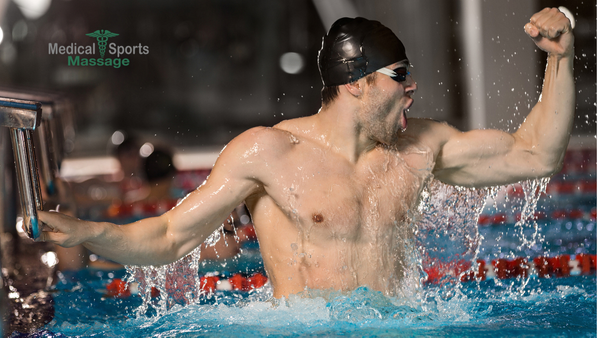
Spotlight on Doug Easterly’s Method for Smarter Swim Recovery
Denise Leslie
Neuromuscular Therapy Method for Smarter Swim Recover
Discover how Doug Easterly, LMT, Discover how Doug Easterly, LMT, helps swimmers recover faster and perform stronger through neuromuscular therapy in Sandy Springs. His targeted pre and post event massage techniques improve flexibility, reduce shoulder strain, and support endurance. Book your session at Medical and Sports Massage and live life pain free.
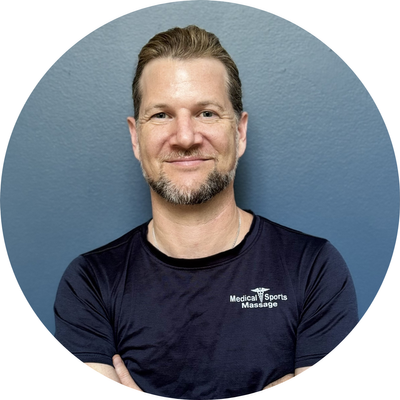
Neuromuscular Therapy Method for Smarter Swim Recovery
During pre event sessions, Doug uses light neuromuscular activation to improve flexibility and prepare the body for high performance.
In post event recovery, he applies gentle deep tissue massage to release tension, flush out lactic acid, and reduce inflammation. This balance of activation and recovery helps swimmers and other athletes maintain mobility, prevent shoulder strain, and build long term endurance.
Athletes in Sandy Springs trust Doug’s neuromuscular therapy to help them train smarter and recover faster.
Why Swimmers Trust Respond to Neuromuscular Therapy
Swimmers often say his sessions feel different, calmer, and more intentional. He does not believe in “no pain, no gain.” Instead, he works with precision, warming up muscle areas before deeper work so the body relaxes and responds naturally.
His method combines anatomical understanding, empathy, and years of real world experience with athletes and competitive swimmers.
This approach is especially effective for swimmers in Sandy Springs who need consistent shoulder mobility and reliable recovery between practices. Neuromuscular therapy targets the muscle patterns that tighten with repetitive strokes and helps restore circulation so training feels smoother and more controlled.
Many athletes notice better range of motion, less strain during overhead movement, and a more efficient recovery window after regular sessions
Targeted Therapy for Overused Swim Muscles
Swimmers place heavy demand on the upper body through repeated pulling and overhead reach. Over time that can lead to stiffness, reduced rotation, and general fatigue that makes training feel less efficient.
Neuromuscular therapy at Medical and Sports Massage helps release accumulated tension, improve controlled movement, and support steady recovery between practices.
If you are preparing for competition or managing the effects of frequent swim sessions, focused therapy can help you stay consistent and comfortable in the pool.
Frequently Asked Questions
What is Doug Easterly’s method for swim recovery?
Doug Easterly’s method focuses on a balanced approach to swim recovery that integrates rest, mobility, and targeted soft-tissue work. His technique reduces fatigue, improves mobility, and enhances recovery without reducing training volume.
How does this recovery method help swimmers perform better?
This method reduces injury risk and supports consistent training by emphasizing a full recovery cycle. Swimmers gain better endurance, smoother technique, and improved performance through more complete muscular restoration.
Is this recovery method suitable for all swimming levels?
Yes — the method adapts easily for swimmers of all levels, from recreational beginners to competitive athletes. The principles of rest, mobility, and active recovery scale to each individual’s training intensity and needs.
How can I start applying these recovery principles in my own routine?
Start by assessing your current recovery habits and adding missing components like mobility work, soft-tissue therapy, and structured active recovery days. Adjust the routine based on how your body responds over time.
How does neuromuscular therapy help swimmers?
Neuromuscular therapy improves flexibility, restores shoulder mobility, and reduces the repetitive-tension buildup from swim strokes. Many swimmers experience better mobility and shorter recovery times between practices.
What type of massage is best after swim training?
A blend of light neuromuscular therapy and gentle deep tissue massage helps relieve lactic acid buildup, reduce inflammation, and promote recovery while avoiding overstimulation of fatigued muscles.
Can regular massage prevent swim injuries?
Yes. Consistent massage therapy helps identify tension patterns early, keeps connective tissue healthy, and reduces overuse injuries, especially in the shoulders and upper back.